
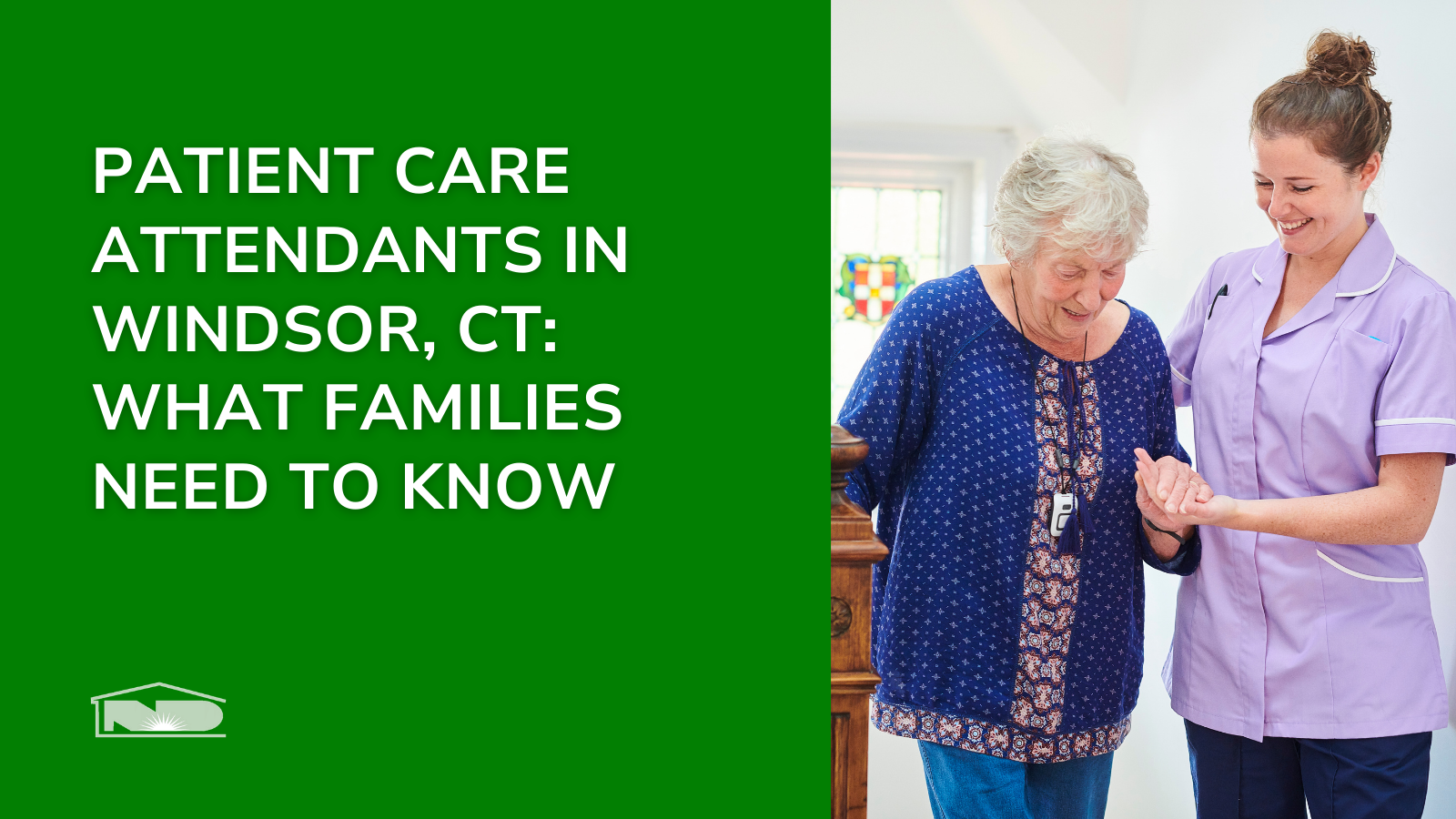
Caring for a loved one at home often comes with questions, concerns, and important decisions. As daily tasks become more challenging, families in Windsor, CT look for dependable, respectful support that allows individuals to remain safely at home. Patient Care Attendants provide hands-on, non-medical assistance that helps individuals maintain independence, comfort, and dignity. Understanding how this care works helps families choose the right support at the right time.
Understanding Patient Care Attendants and Their Role at Home
Patient Care Attendants support individuals with essential daily activities while allowing them to remain in familiar home environments. This care focuses on safety, routine, and independence rather than medical treatment. Support is delivered respectfully, encouraging individuals to stay involved in their own care. Families benefit from structured assistance that adapts to changing needs.
- Daily personal assistance: Support with everyday tasks that may become difficult over time.
- Non-medical home care focus: Hands-on help centered on comfort, routine, and safety.
- Independence-first approach: Encourages continued participation in daily life.
- Home-based support delivery: Care provided in familiar Windsor home settings.
Professional Patient Care Attendants help individuals remain comfortable and supported at home while preserving autonomy and dignity. This foundational care allows families to better understand how in-home assistance fits into long-term living plans.
Why Personal Care Assistants Are Essential for Daily Living Support
As routines become harder to manage alone, individuals may face increased safety risks and emotional stress. A Personal Care Assistant provides consistent, reliable support that allows individuals to stay at home without sacrificing comfort. This assistance helps prevent avoidable accidents while supporting emotional well-being. Families in Windsor often rely on this care for peace of mind.
- Improved home safety: Reduces risks related to mobility, hygiene, and daily routines.
- Emotional reassurance: Provides steady support without overwhelming independence.
- Routine stability: Maintains familiar schedules that support confidence.
- Family peace of mind: Reassures loved ones that dependable care is in place.
Ongoing support from a Personal Care Assistant helps individuals manage daily life with confidence. Families gain reassurance knowing trusted in-home assistance is consistently available.
Challenges Individuals Face Without Proper In-Home Support
Without daily assistance, simple tasks can quickly become overwhelming. Many individuals delay seeking help due to fear of losing independence. Over time, these challenges may affect safety, physical health, and emotional well-being. Recognizing early signs helps families prevent unnecessary risks.
- Difficulty with personal routines: Struggles with bathing, dressing, and self-care.
- Increased fall risks: Mobility limitations affecting safety at home.
- Avoidance of daily needs: Delaying assistance due to discomfort or frustration.
- Loss of confidence: Reduced independence impacting emotional health.
Unaddressed challenges often worsen over time. Early support from Patient Care Attendants helps prevent avoidable complications.
How Independent Living Skills Trainers Support Long-Term Independence
An Independent Living Skills Trainer focuses on helping individuals build and maintain daily living abilities. Rather than taking over tasks, this support encourages skill development and self-sufficiency. Training is personalized based on individual strengths and challenges. The goal is to promote confidence and independence over time.
- Skill-building support: Encourages learning and maintaining daily life skills.
- Personalized guidance: Training aligned with individual abilities and goals.
- Confidence development: Reinforces independence through structured support.
- Adaptive learning approach: Adjusts training as needs evolve.
Independent Living Skills Trainer services help individuals remain engaged in their daily lives. This approach supports long-term independence while respecting personal pace and preferences.
Recovery Assistance That Supports Healing at Home
Recovery periods often require additional support to ensure safety and comfort. Recovery Assistance helps individuals manage daily routines while regaining strength. This support reduces stress during healing and prevents setbacks. Families benefit from consistent care during transitional periods.
- Post-recovery support: Assistance during recovery from illness or hospitalization.
- Daily routine management: Help maintain safe, consistent schedules.
- Energy conservation: Prevents overexertion during healing.
- Emotional encouragement: Provides reassurance during recovery phases.
Reliable Recovery Assistance allows individuals to heal comfortably at home. Structured support ensures recovery progresses safely and steadily.
Understanding the CT Home Care Program for Elderly Residents
The CT Home Care Program for Elderly helps qualifying individuals receive care while remaining at home. This program supports seniors who need assistance with daily activities. Services are designed to promote safety, independence, and community living. Families often rely on this program for accessible care options.
- Program-based support: Assistance aligned with state-supported care guidelines.
- Aging-in-place focus: Helps seniors remain in their homes longer.
- Daily living assistance: Covers essential non-medical support needs.
- Community-centered care: Supports independent living in Windsor communities.
The CT Home Care Program for Elderly provides valuable resources for aging individuals. Understanding eligibility and services helps families plan sustainable long-term care.
Comparing Patient Care Attendants With Other Home Care Options
Not all home care services offer the same level of hands-on assistance. Understanding the differences helps families choose appropriate care. Patient Care Attendants focus on daily personal support rather than medical or companionship-only services. This makes them a practical solution for many households.
- Personal care vs companion care: Hands-on assistance versus social support.
- Non-medical care focus: Daily living support without clinical treatment.
- Routine-based assistance: Emphasis on essential personal tasks.
- Home-centered flexibility: Care delivered where individuals live.
Choosing the right care option ensures effective daily support. Patient Care Attendants meet many essential in-home needs.
Patient Care Attendant Services Available in Windsor, CT
Families in Windsor benefit from providers who understand local living environments. Patient Care Attendants support individuals in apartments, single-family homes, and senior residences. Services are designed to fit real daily routines. Local care ensures consistency and reliability.
- Community-based care: Services tailored to Windsor households.
- Flexible scheduling: Care adapted to family needs.
- Home-centered support: Assistance provided where individuals live.
- Trusted local provider: Care from a familiar community presence.
Families can explore all communities served through the service areas page to confirm local availability. You can also view the agency’s Windsor location through its official Google Maps listing.
Frequently Asked Questions About Patient Care Attendants
Families often have important questions when considering Patient Care Attendant services for a loved one. The answers below provide clear, practical explanations to help Windsor families understand how in-home care works, what services include, and how to choose the right support with confidence.
Q. What does a Personal Care Assistant help with at home?
A Personal Care Assistant helps individuals with essential daily activities such as bathing, dressing, grooming, toileting, and mobility support. These services are designed to improve safety, comfort, and routine while allowing individuals to remain in their own homes. Personal Care Assistants focus on maintaining dignity while supporting daily independence.
Q. How does an Independent Living Skills Trainer support independence?
An Independent Living Skills Trainer works with individuals to build and maintain daily life skills needed for independent living. This support focuses on teaching and reinforcing routines such as personal care, household tasks, and decision-making. The goal is to strengthen confidence and long-term self-sufficiency rather than creating dependence.
Q. When is Recovery Assistance recommended for in-home care?
Recovery Assistance is recommended after hospitalization, illness, injury, or periods of physical or emotional setback. It provides structured support with daily routines while individuals regain strength and stability at home. This type of care helps reduce the risk of complications and supports a smoother recovery process.
Q. Who qualifies for the CT Home Care Program for Elderly?
The CT Home Care Program for Elderly supports eligible seniors who need help with daily living activities but wish to remain at home. Eligibility is based on functional needs and program guidelines established by the state of Connecticut. The program helps seniors maintain independence while receiving reliable in-home support.
Get Started With Patient Care Attendants in Windsor, CT
Choosing the right in-home support can make daily life safer and more manageable. NEW DAY HOME CARE, INC provides Patient Care Attendant services designed to support independence, recovery, and daily living at home. Families in Windsor can rely on compassionate, dependable care that adapts to changing needs. Starting care begins with a simple conversation focused on understanding your goals.
📍 Address: 200 High Street, Windsor, CT 06095
📞 Phone: (860) 656-7732
📧 Email: [email protected]
Visit: NEW DAY HOME CARE, INC to explore in-home health and care services available in Fleming Island.